The Ultimate Guide to Landscaping: Important Services, Benefits, and Regions We Cover
The Essential Guide to Landscaping presents a thorough examination of important solutions that enhance outdoor spaces. It outlines the significance of expert design, efficient installation methods, and consistent care. Each aspect supports property value and practicality while addressing unique community challenges. With sustainability growing more critical, appreciating regional expertise is key. What additional knowledge does this guide offer to turn outdoor spaces into thriving settings?
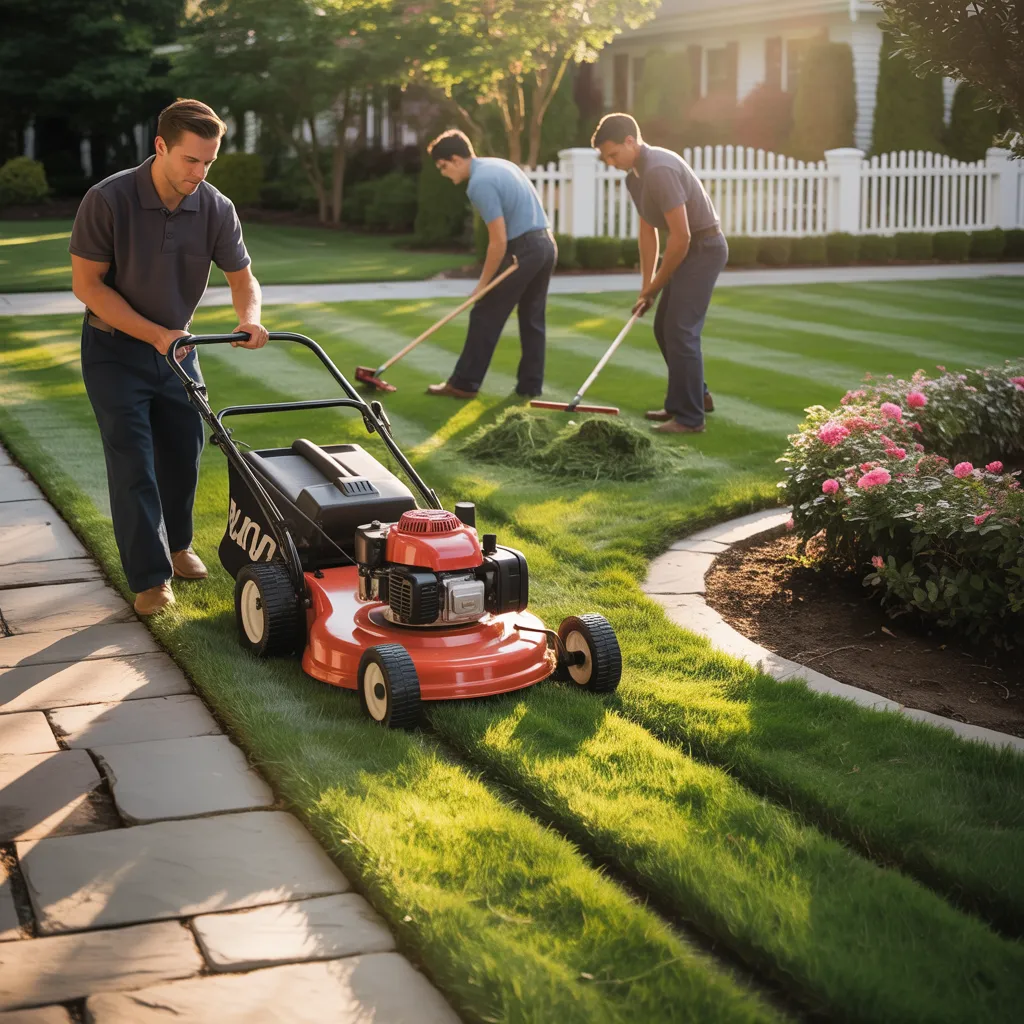
A Guide to Fundamental Landscaping Services
Landscaping encompasses a range of important services that enhance the aesthetic and functional appeal of exterior spaces. Fundamental landscaping services typically include installation, design, and maintenance. Design involves establishing a layout that aligns with the natural setting while fulfilling the client's goals. This phase often incorporates elements like plant selection, hardscaping, and water features.
The installation phase follows, where the selected plants, stones, and various materials are set in place according to the design blueprint. This phase is crucial for securing the longevity and health of the landscape.
Maintenance solutions are equally vital, including regular tasks such as lawn care, pruning, and pest management. These activities help preserve the health and beauty of the landscape in the long run.
Together, these fundamental services create the basis for successful landscaping, making certain that outdoor areas are visually captivating while also being durable and efficient.
Benefits of Professional Landscape Design
The skill of skilled landscape architecture transforms outdoor spaces into harmonious environments that improve visual appeal and usability. By combining elements such as plants, hardscapes, and water features, experienced professionals develop beautiful landscape designs designed to meet individual requirements and tastes. Such knowledge not only elevates aesthetic appeal but also increases property value, rendering professional services a smart investment.
In addition, professional landscaping takes into account environmental elements, promoting sustainability through the use of native vegetation and efficient irrigation systems. Such an approach reduces upkeep expenses and protects essential resources, serving the interests of both residents and the surrounding ecosystem. Additionally, a carefully planned landscape can increase the practical use of outdoor spaces, providing spaces for recreation and relaxation that suit various lifestyles.
Ultimately, the benefits of professional landscape design extend beyond mere appearance; they develop engaging, practical spaces that encourage a more meaningful relationship with nature and improve overall quality of life.
Top Landscaping Installation Techniques
Revamping an outdoor environment requires a thoughtful method for construction techniques that secure both longevity and visual appeal. Proper outdoor planning is rooted in earth conditioning, securing ideal circumstances for vegetation. This requires measuring soil acidity and nutrient composition, and then amending as necessary.
Moreover, careful plant selection plays a vital role; selecting native species can improve sustainability while lowering maintenance demands. Appropriate planting methods, including accurate depth and spacing, aid in developing robust root systems.
Furthermore, hardscaping elements, such as patios, pathways, and walkways, should be implemented with special attention to proper drainage and leveling to avoid future damage. Choosing quality materials promotes longevity and elevates the overall design.
Irrigation systems, whether drip or sprinkler, must be designed for efficiency, promoting healthy growth while conserving water. Moreover, integrating mulching practices shields soil and vegetation, playing a key role in sustaining a vibrant landscape. Together, these methods establish the groundwork for effective landscaping projects.
Why Regular Maintenance Matters for Your Landscape?
Regular maintenance guarantees that a landscape continues to flourish over time. Consistent maintenance, including tasks such as trimming, pruning, and removing weeds, reduces the risk of overgrowth and illness, ensuring vegetation flourishes. It also enhances the aesthetic appeal of the property, contributing to a welcoming environment.
In addition, consistent maintenance can identify potential issues before they escalate, minimizing the time and financial burden of substantial repairs. As an example, a minor early-stage pest problem can be addressed successfully if detected in its early stages, while overlooking the problem can lead to severe damage.
Furthermore, regular maintenance fosters a sustainable landscape by encouraging biodiversity and improving soil health. A well-maintained landscape can also improve property value, creating an appealing advantage for potential buyers. By committing to consistent maintenance, property owners and managers can benefit from a gorgeous and versatile outdoor area, enriching both the lifestyle and the overall investment.
Efficient Landscaping Irrigation Solutions
Effective landscaping irrigation solutions play an essential role in keeping a thriving and lush landscape. Numerous types of irrigation systems, combined with advanced water conservation methods, can considerably boost water efficiency. Exploring these options is crucial for creating sustainable and flourishing outdoor environments.

Types Of Irrigation Systems
When evaluating the most effective choices for watering landscapes, having a clear understanding of the different irrigation system types is essential for achieving the best balance of efficiency and plant health. Drip irrigation targets water delivery directly at the plant root level, reducing evaporation and water runoff, making it especially well-suited for gardens and flowerbeds. Sprinkler systems offer versatile coverage for larger areas, with choices between stationary and rotating head configurations. Soaker hoses deliver a gradual and gentle watering approach for row crops, allowing for deep soil penetration. Lastly, subsurface irrigation makes use of buried pipes or tubes, guaranteeing consistent moisture delivery below the ground surface, limiting the growth of weeds. Every system offers its own distinct advantages, allowing landscape professionals to select the most suitable option based on specific needs and environmental conditions.
Water Conservation Techniques
Water conservation serves as a fundamental aspect of environmentally conscious landscaping approaches. Advanced irrigation methods, such as rainwater harvesting and drip irrigation, substantially decrease water waste while preserving landscape vitality. Drip irrigation systems supply water straight to plant roots, reducing evaporation and surface runoff. Rainwater harvesting systems gather and preserve rainwater for subsequent use, providing a sustainable water source for gardens and lawns.
Furthermore, xeriscaping—designing landscapes with drought-resistant plants—further conserves water by reducing the need for irrigation. The use of mulch around plants preserves soil moisture and keeps get the full story weeds at bay, boosting water conservation efforts. The use of intelligent irrigation controllers that adapt watering routines based on weather patterns additionally helps maximize water conservation. Collectively, these approaches encourage sustainable landscaping practices and play a vital role in preserving water resources for the future.
Improving Outdoor Comfort and Utility
Furthermore, the choice of plants plays a vital role in defining the character of the area. Indigenous and water-wise plants can provide visual interest while limiting care requirements and water needs. Integrating outdoor lighting enhances safety and ambiance, enabling the enjoyment of outdoor areas beyond daylight hours.
Fundamentally, a balanced landscape design harmonizes the beauty of nature with purposeful zones, promoting outdoor experiences and fostering a communal bond. This comprehensive strategy guarantees that the outdoor environment is as enjoyable as it is practical for all who use it.
Areas We Serve: Your Trusted Local Landscaping Professionals
Regional landscaping professionals provide invaluable knowledge of local weather patterns and soil types, ensuring tailored solutions for all types of projects. Their expansive coverage areas encompass a wide scope, allowing clients to readily obtain premium outdoor care services. Recognizing the distinct requirements of every area enhances both aesthetics and functionality in open-air landscapes.
Why Local Expertise Is Essential
How can homeowners make certain their outdoor spaces reflect the special attributes of their region? Hiring local landscaping professionals is essential. These experts have in-depth knowledge of the local weather patterns, soil varieties, and native vegetation, guaranteeing that landscapes not only flourish but also blend with the surroundings. Local expertise allows for tailored solutions that tackle particular obstacles, including insect management or drought tolerance, common in particular areas. Furthermore, an understanding of local visual styles assists in developing attractive outdoor spaces that align with community culture and heritage. By choosing regional experts, property owners can develop eco-friendly, attractive landscapes that enhance property value and community appeal, yielding a more fulfilling and durable outdoor design outcome.
Comprehensive Service Areas
Although numerous landscaping businesses profess to cover extensive territories, real mastery stems from comprehending the particular demands of regional communities. Wide coverage areas are fundamental for quality landscaping, as they ensure that experts have thorough knowledge of local weather patterns, soil conditions, and native plants. Through concentrating on particular communities or localities, lawn care professionals can provide customized approaches that improve the aesthetics and usability of exterior environments. Such a community-centered method cultivates deeper connections with customers, guaranteeing that their personal expectations and requirements are fulfilled. Additionally, understanding local regulations and community guidelines helps streamline project execution, limiting disruptions and challenges. In the end, selecting a landscaping provider that emphasizes its coverage zones enables property owners to gain from focused expertise and outstanding outcomes.
Questions We Often Receive
What Are the Key Factors to Think About Before Beginning a Landscaping Project?
When planning a landscaping project, one should consider local climate, budget, design preferences, maintenance requirements, soil conditions, and the intended functionality of the space to achieve a favorable and long-lasting outcome.
How Can I Select the Best Plants for My Climate?
To choose the right plant species for a particular environment, it is important to consider local climate temperatures, precipitation levels, soil composition, and sun exposure. Furthermore, choosing native species can improve adaptability and benefit surrounding ecosystems effectively.
What Is the Standard Timeline for a Landscaping Project?
A typical landscaping project timeline varies between a few weeks and several months, based on the size and complexity of the project. Considerations including weather, design approval, and the availability of plants may also significantly impact the overall project duration.
Are There Environmentally Friendly Landscaping Options Available?
Yes, environmentally friendly landscaping options include xeriscaping, native plants, rain gardens, and organic gardening methods. These options encourage biodiversity, lower water consumption, and decrease chemical use, establishing green outdoor environments that are advantageous to both people and the natural world.
What Are the Ways to Integrate Hardscaping Into My Landscape Design?
Incorporating hardscaping into outdoor design entails picking materials like concrete, stone, or wood for patios, pathways, and walls. Positioning these elements strategically improves aesthetics while offering practical areas for leisure and outdoor enjoyment.